
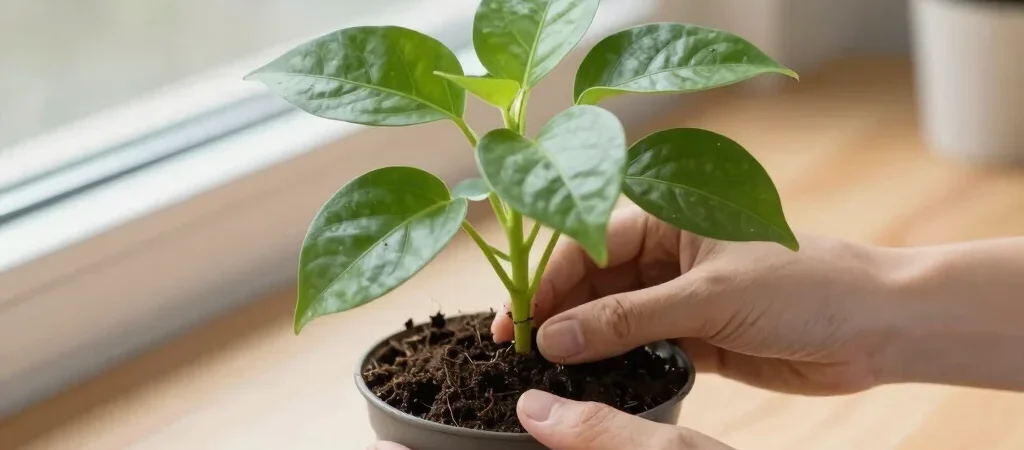
Overwatering is a love language your monstera never asked for, yet it remains the primary cause of indoor foliage loss. Root rot develops not from the water itself, but from prolonged anaerobic conditions that choke off oxygen exchange around root tissues.
Evaluating Drainage and Substrate Structure
Commercial potting mixes often retain excess moisture when used in plastic decorative pots without lower drainage holes. Adding coarse perlite, orchid bark, or pumice creates air pockets that allow water to drain freely while keeping essential moisture accessible.
Always test soil moisture balance deep in the pot rather than relying on surface appearance. A wooden chopstick inserted three inches into the potting medium will pull up dark damp soil if moisture remains near the core.
Establishing a Responsive Watering Routine
Rigid calendar schedules ignore ambient humidity, radiator heat, and cloud cover. Instead, feel the weight of the pot when fully saturated versus completely dry to develop a tactile sense of when hydration is required.
When you do water, soak the substrate thoroughly until excess drains completely through the drainage outlets. Allow the pot to drip dry fully before returning it to its decorative saucer to prevent stagnant water pooling.